Why Lancashire Businesses Need Tailored E-commerce Solutions
Running a small or medium business in Lancashire comes with its own set of rewards and headaches. You know your local market, you have built relationships with customers in Burnley, Preston, or Blackburn, and you understand what works on the ground. But when it comes to selling online, the same rules do not always apply. A generic online store built on a one-size-fits-all template rarely cuts it. What you need are e-commerce solutions Lancashire businesses can actually rely on, platforms and strategies that respect the way your operation works, not the other way around.
Choosing the Right Platform for Your Business
The first big decision is which platform to build on. There is no shortage of options, and each one comes with trade-offs. Shopify is probably the most well-known. It is a hosted platform, meaning you do not worry about servers or security patches. You pay a monthly fee and get a solid, reliable store out of the box. For a small business in Burnley that wants to get online quickly and start taking orders, Shopify can be a great fit. The app ecosystem is huge, so adding features like abandoned cart recovery or email marketing is straightforward.
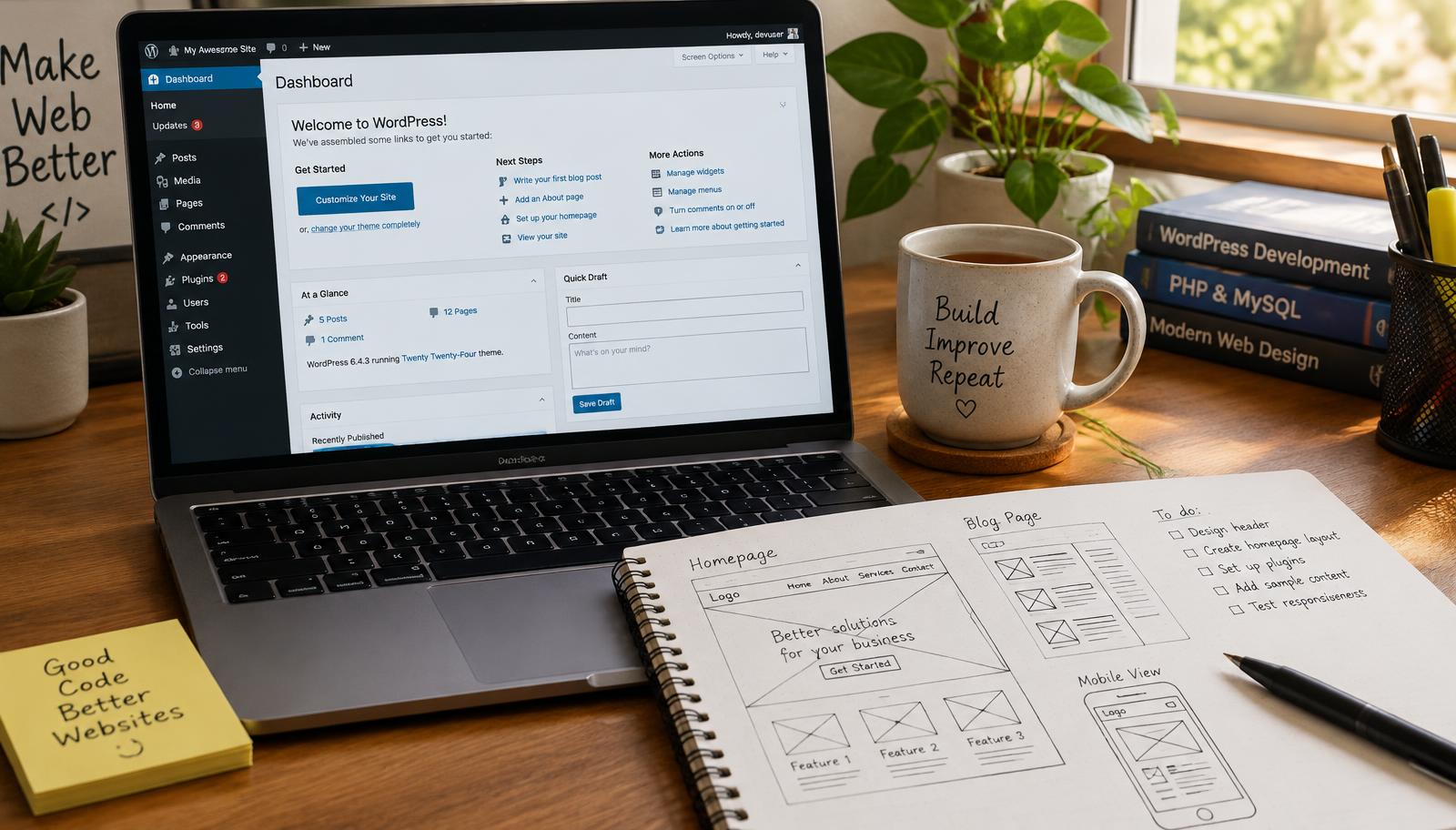
But Shopify has its limits. If you need a very specific checkout flow or want to customise the backend heavily, you might find yourself fighting the platform. That is where WooCommerce comes in. WooCommerce is a plugin for WordPress, the most popular content management system in the world. It gives you complete control over your store. You can build exactly the shopping experience you want, integrate with any payment gateway, and change every line of code if you need to. The trade-off is that you are responsible for hosting, security, and updates. For a Lancashire business with in-house technical skills or a good relationship with a local web design agency, WooCommerce is often the smarter long-term choice.
Then there is Magento, now called Adobe Commerce. Magento is powerful, but it is also heavy. It suits larger catalogues and businesses with dedicated development teams. For most small and medium businesses in Lancashire, Magento is overkill. BigCommerce is another hosted option similar to Shopify, though it tends to be stronger on built-in features and weaker on app availability. PrestaShop is an open-source alternative that is popular in Europe but less common here; it can work, but the community and plugin quality are not as strong as WooCommerce or Shopify.

Local Context Matters in E-commerce
Here is something that gets overlooked: an online store for a Lancashire business should reflect the local character and needs of the area. That does not mean plastering the Pennine hills on every page. It means thinking about delivery logistics for rural routes, offering collection options from your Burnley shop if you have one, and writing product descriptions that sound like a real person from the North West, not a corporate script from a London boardroom. The best e-commerce solutions Lancashire has to offer are the ones that understand these nuances.
For example, a furniture maker in Nelson might sell largely to customers within a thirty-mile radius. Their website does not need to compete with Amazon on shipping speed. It needs to show craftsmanship, allow local customers to book a workshop visit, and integrate with a simple delivery scheduling system. A generic Shopify theme with stock photos will not do that. A custom WooCommerce build with a booking plugin, local delivery zones, and a blog about the making process will.
Technical Foundations: Security, Payments, and Performance
Every online store must handle payments securely. SSL certificates are non-negotiable these days. They encrypt data between the customer's browser and your server. Most hosting packages include a free SSL certificate through Let's Encrypt, and platforms like Shopify include it automatically. But if you run your own WooCommerce or PrestaShop site, you need to ensure SSL is active on every page, not just the checkout. Google also uses SSL as a ranking signal, so it affects your visibility in search results.
Payment gateways are the next piece. Stripe and PayPal are the two most common choices in the UK, and both work well with all major platforms. Stripe is developer-friendly and allows you to accept credit cards, Apple Pay, and Google Pay without redirecting the customer away from your site. PayPal is familiar to shoppers and can reduce cart abandonment for people who prefer to pay through their PayPal account. Many stores offer both. The key is to make the checkout process as smooth as possible. Every extra click or form field you add costs you sales. Conversion rate optimisation is not a buzzword; it is about testing whether a single-page checkout converts better than a multi-step one, or whether showing delivery costs earlier reduces abandonment.
Performance matters too. A store that takes more than three seconds to load on mobile will lose over half of its visitors. Mobile optimisation is not optional. More than sixty percent of e-commerce traffic in the UK comes from phones and tablets. If your site is not responsive, meaning it adjusts layout and font sizes automatically, you are effectively turning customers away at the door. Platforms like Shopify and BigCommerce handle responsive design reasonably well out of the box. WooCommerce requires a responsive theme, but there are plenty of good ones. The important thing is to test your store on an actual phone, not just resize your browser window.
Measuring and Improving: Analytics and SEO
Once your store is live, you need to know what is happening. Google Analytics is the standard tool for tracking visitors, sales, and behaviour. You can see which products get the most views, where your traffic comes from, and where people drop off. Pairing it with Google Search Console gives you insight into which search terms bring people to your site and whether your pages are being indexed properly. For a Lancashire business relying on local search, these tools are essential. You can see if someone in Burnley searches for "handmade candles" and finds your site, or if they end up at a competitor in Manchester instead.
SEO plugins like Yoast or Rank Math for WordPress help you optimise individual product pages and blog posts. They guide you on keyword usage, meta descriptions, and readability. But plugins are not magic. The real work is in understanding what your customers actually search for. A candle maker in Burnley might rank for "scented candles Lancashire" but not for "candles UK", and that is fine. Local search intent is often stronger and easier to convert than broad terms. Writing product descriptions that include location, material, and use-case naturally helps search engines connect your products to the right queries.
Growing Beyond the First Sale
An online store should not just process orders. It should build relationships. Customer relationship management tools, often built into platforms or added via plugins, let you segment your audience and send targeted emails. Someone who bought a dining table might be interested in matching chairs, or a care kit for the wood. Someone who browsed but did not buy might respond to a discount code sent a day later. These small touches increase lifetime value and turn one-time buyers into regulars.
For many Lancashire businesses, the line between online and offline is blurry. You might sell at a market in Clitheroe on Saturday and take orders through your website on Monday. Your inventory system needs to handle both channels without overselling. WooCommerce and Shopify both have inventory management features, but they require discipline to keep accurate. If you use a point-of-sale system in a physical shop, you may need a connector that syncs stock levels in real time. That is another area where a tailored build beats an off-the-shelf solution.
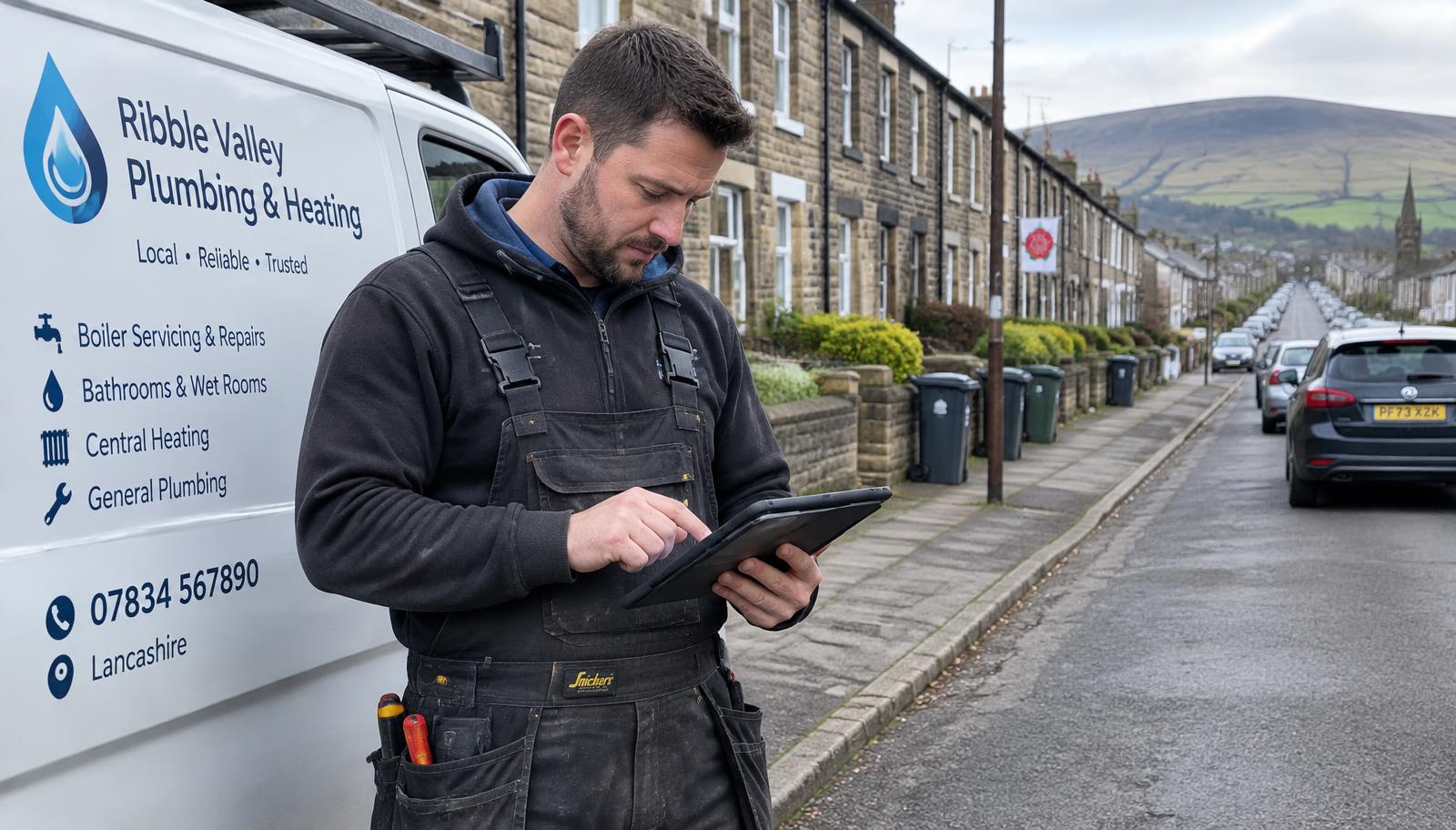
Let me give you a concrete example. A small clothing brand in Burnley started with a basic Shopify store. They sold mostly through Instagram and local pop-ups. The store worked, but they wanted to offer made-to-order items and a loyalty programme. Shopify's built-in options did not quite fit, and the apps they tried were either too expensive or poorly built. They moved to WooCommerce with a custom theme, added a loyalty plugin, and connected their workshop calendar for collection slots. The whole project cost less than a year of Shopify's higher-tier plan and gave them exactly what they needed. That is the kind of thinking behind good e-commerce solutions Lancashire businesses deserve.
Final Thoughts
There is no single right answer for every business. The best e-commerce platform depends on your catalogue size, your technical resources, your budget, and your long-term goals. But the principles are consistent: choose a platform that gives you control where you need it, handle security and payments professionally, optimise for mobile from day one, and use data to keep improving. And always remember that your store is an extension of your business, not a separate project. When it reflects your brand, your location, and your customers' real needs, it stops being just a website and becomes a genuine asset.